7 Indicators Of Well Pump Trouble Homeowners Should Not Ignore
If your home relies on a private well, your water system is not something you think about until something feels off. A properly working well pump quietly supports everyday life, from morning showers to washing dishes at night. When it starts acting up, the signs often show up in small but frustrating ways before turning into expensive problems. According to Verified Market Reports, the U.S. Environmental Protection Agency estimates that by 2025, nearly two-thirds of the global population may face water shortages, underscoring how essential dependable well pump services are for supplementing water supplies. Knowing what to watch for can help homeowners respond early and protect their water access.
1. Inconsistent Water Pressure Throughout The Home
One of the first red flags homeowners notice is inconsistent water pressure. If your shower pressure drops unexpectedly or faucets fluctuate between strong and weak flow, your well pump may be struggling to keep up with demand. These changes often happen gradually, which makes them easy to dismiss at first, especially if the pressure eventually comes back.
Sediment buildup, worn components, or pressure switch problems can all contribute to pressure instability. Over time, this inconsistency puts additional strain on the system and can shorten the life of the well pump. Addressing pressure changes early helps maintain steady water flow and avoids larger system failures down the road.
2. Unusual Noises Coming From The System
A healthy water system runs quietly, so any strange sounds should immediately grab your attention. Grinding, buzzing, or clicking noises often signal internal wear, loose components, or electrical issues within the well pump. These sounds usually mean parts are no longer moving smoothly and are rubbing, vibrating, or straining in ways they should not. In some cases, noises may start only when water is being used, making them easy to dismiss at first.
Ignoring unusual noises can quickly lead to more serious problems, including motor damage or complete system shutdown. Whether the sound is constant or comes and goes, it is a clear sign the pump needs professional evaluation. Addressing mechanical issues early can prevent extensive damage, reduce repair costs, and often mean a simple fix instead of a full replacement.
3. Rising Electricity Bills Without Explanation
When utility bills climb without a clear reason, your water system may be the culprit. A failing well pump often has to work harder and run longer to deliver the same amount of water, which increases energy consumption. This added strain commonly shows up as higher monthly electric bills, even when household water use stays the same. Because the change happens gradually, many homeowners do not immediately connect rising energy costs to their well system.
Motors that cycle too frequently or operate inefficiently draw more power while wearing out faster. Over time, this unnecessary workload can lead to overheating, mechanical failure, and costly repairs. Monitoring energy usage patterns and comparing them to past bills can help homeowners spot hidden issues early and take corrective action before operating costs continue to rise.
4. Sediment, Discoloration, Or Changes In Water Quality
Changes in water clarity or quality are never something to ignore, especially in homes that rely on a private well. Sediment appearing in your water can indicate that the well pump is drawing debris from low water levels, that the well screen is compromised, or that internal filters are no longer doing their job. Discolored water may point to rusting components, corroded pipes, or aging materials within the pump system, all of which can worsen over time if left unaddressed.
Unpleasant tastes or odors are additional warning signs that something is not right. These changes may signal bacteria growth, mineral imbalance, or material breakdown inside the system. Beyond affecting water quality, these issues can damage appliances, stain fixtures, and pose potential health concerns. Prompt evaluation and maintenance help restore clean water and prevent more serious, costly system damage.
5. Frequent On-And-Off Cycling During Use
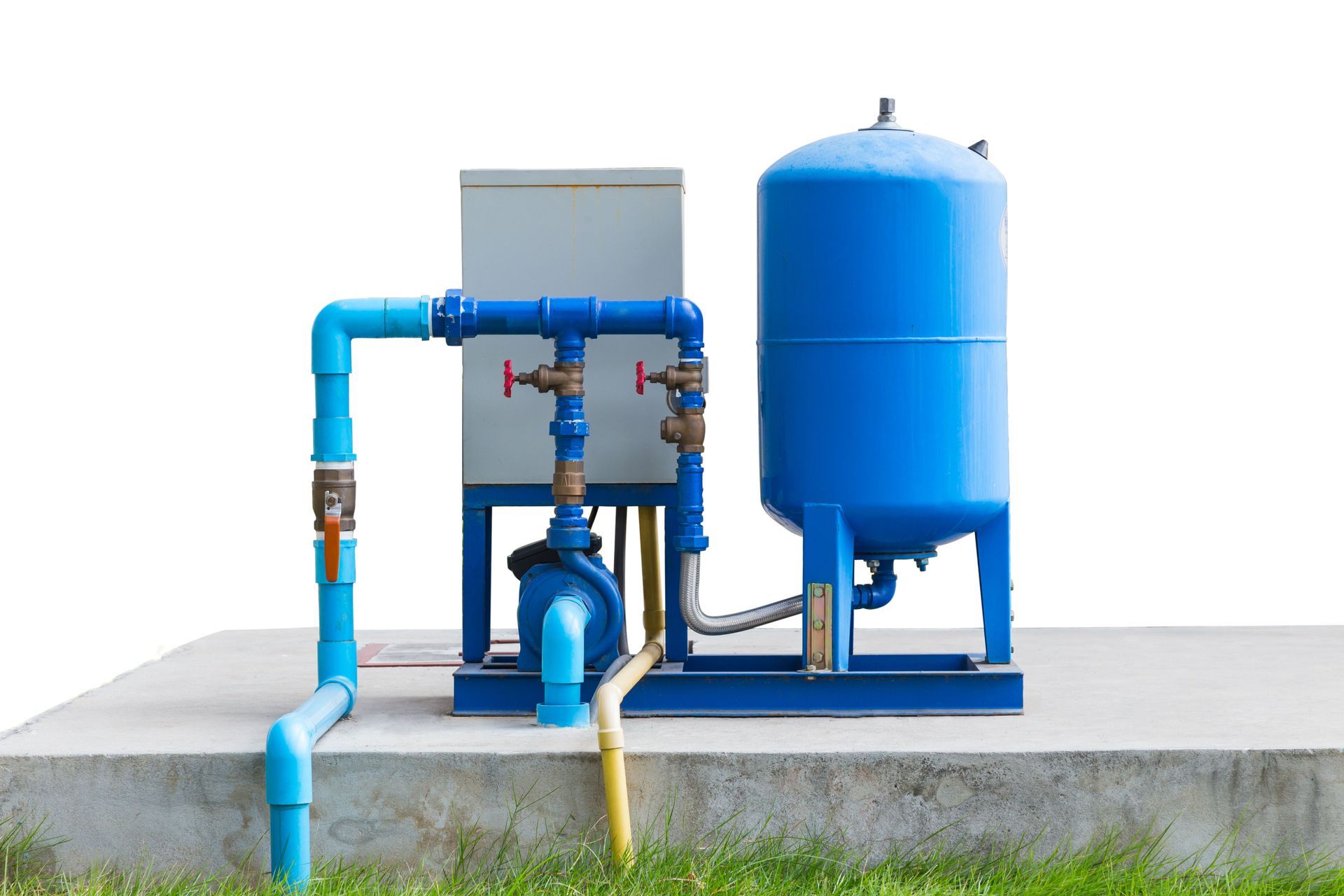
If your system seems to turn on and off constantly, short cycling may be occurring. This happens when the well pump activates too frequently instead of running in steady, balanced cycles. Common causes include pressure tank problems, incorrect pressure switch settings, or loss of air in the tank. While water may still flow to faucets, this rapid cycling places continuous strain on the motor and internal components, causing them to wear out faster than they should.
Short cycling significantly reduces pump lifespan and increases the likelihood of sudden, inconvenient failure. Over time, the added stress can lead to overheating, electrical issues, and costly repairs. Correcting pressure tank issues and fine-tuning system settings can restore normal operation, improve efficiency, and protect the pump from unnecessary stress before more serious damage occurs.
6. Reduced Water Output During Peak Demand
Another warning sign appears when water output drops during peak usage times, such as when multiple faucets, appliances, or showers are running at once. If water flow slows dramatically or pressure fades under normal household demand, your well pump may no longer be able to keep up. This situation often develops gradually as internal components wear down, seals weaken, or the motor loses efficiency. What starts as a mild inconvenience can quickly become a daily frustration if left unaddressed.
Reduced output can interfere with everyday routines like laundry, cooking, and bathing, making it clear that the system is struggling. It can also indicate that the pump is nearing the end of its effective service life or that the system is undersized for your current needs. Evaluating system capacity early allows homeowners to plan repairs or upgrades on their own timeline instead of dealing with sudden water outages.
7. Age And Wear Beyond Expected Lifespan
Even with proper care, every well pump has a finite lifespan, and no system is designed to run forever. Most pumps last several years, but their longevity depends heavily on water quality, daily usage, and how consistently the system has been maintained over time. Minerals in the water, frequent cycling, and heavy household demand can all accelerate wear on internal components. As pumps age, efficiency naturally declines, meaning they must work harder to deliver the same amount of water, which increases the risk of unexpected breakdowns.
Older systems may continue to operate, but they often do so less reliably and at a higher operating cost. Repairs may become more frequent, and performance can become inconsistent, especially during periods of high water use. Knowing the age and condition of your equipment allows homeowners to plan ahead, compare repair versus replacement options, and avoid sudden water interruptions that disrupt daily life.
Recognizing early warning signs of well pump trouble allows homeowners to take action before minor issues turn into major disruptions that affect daily routines and household comfort. Small changes like fluctuating pressure, unusual noises, or higher energy bills often appear long before a system failure occurs. Paying attention to these signals gives you the opportunity to schedule maintenance instead of dealing with emergency repairs or unexpected water loss. Staying proactive with inspections and routine servicing helps extend the lifespan of your well pump while supporting consistent, reliable water access for your family. As water availability becomes more critical and systems are asked to work harder, preventative care becomes even more important for long-term performance. If you have noticed any of these signs, contact Connecticut Valley Artesian Well Co Inc today to have your system professionally evaluated.







Share On: