
Common Causes of Well Pump Repair
Private wells are a vital source of water for millions of households across the United States. According to Verified Market Reports, over 13 million U.S. households rely on private wells for drinking water as of 2025, representing approximately 15% of the population. While these wells provide reliable access to clean water, their operation depends on well pumps to deliver water efficiently. When a pump malfunctions, it can lead to disruptions, inconvenience, and potential damage to plumbing systems. Understanding the common causes of well pump repair is essential for homeowners who want to maintain a dependable water supply and prevent costly problems. In this article, we will explore the main reasons well pumps fail, how to recognize warning signs, and strategies for maintenance that help extend the life of your system.
How Well Pumps Work
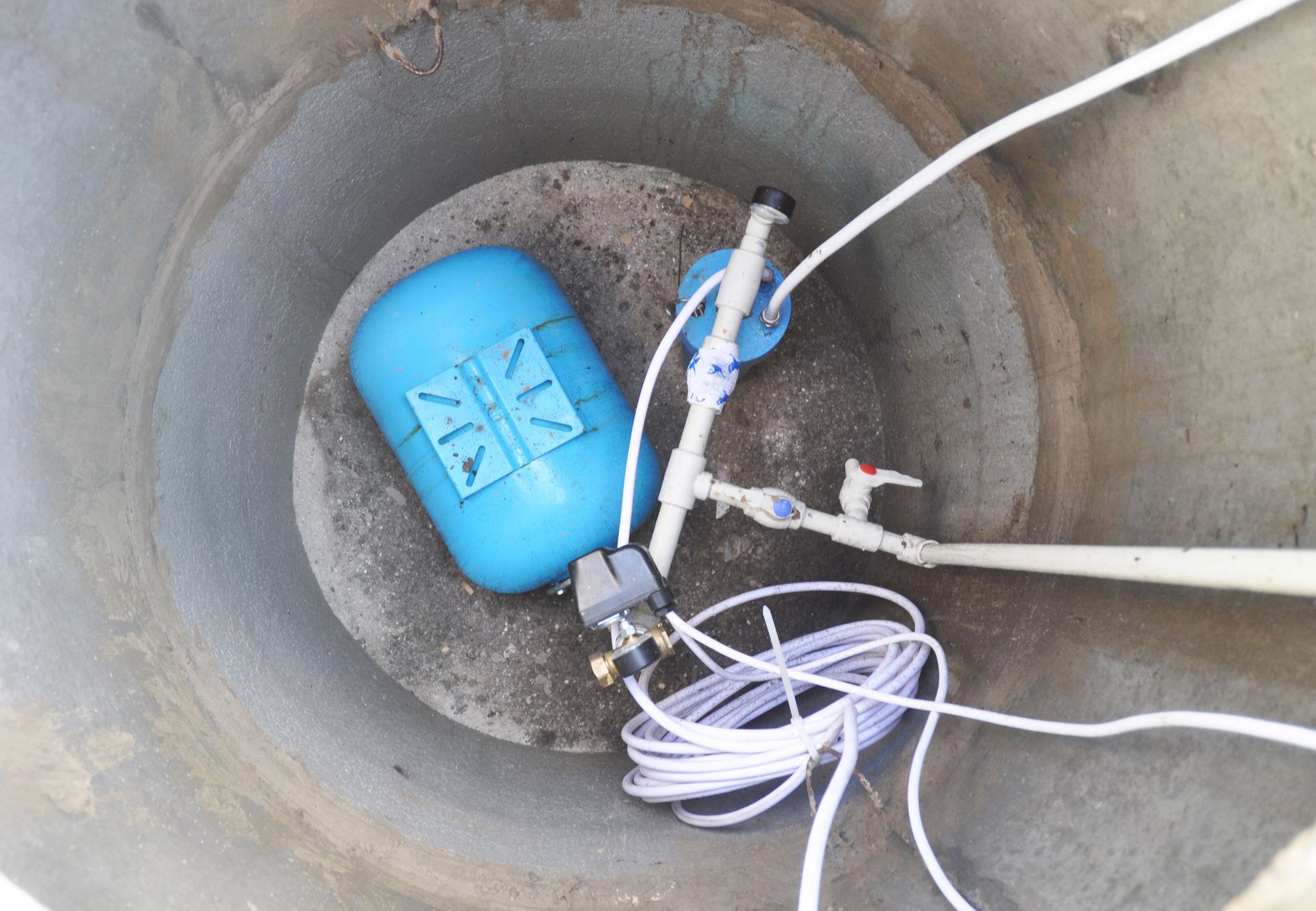
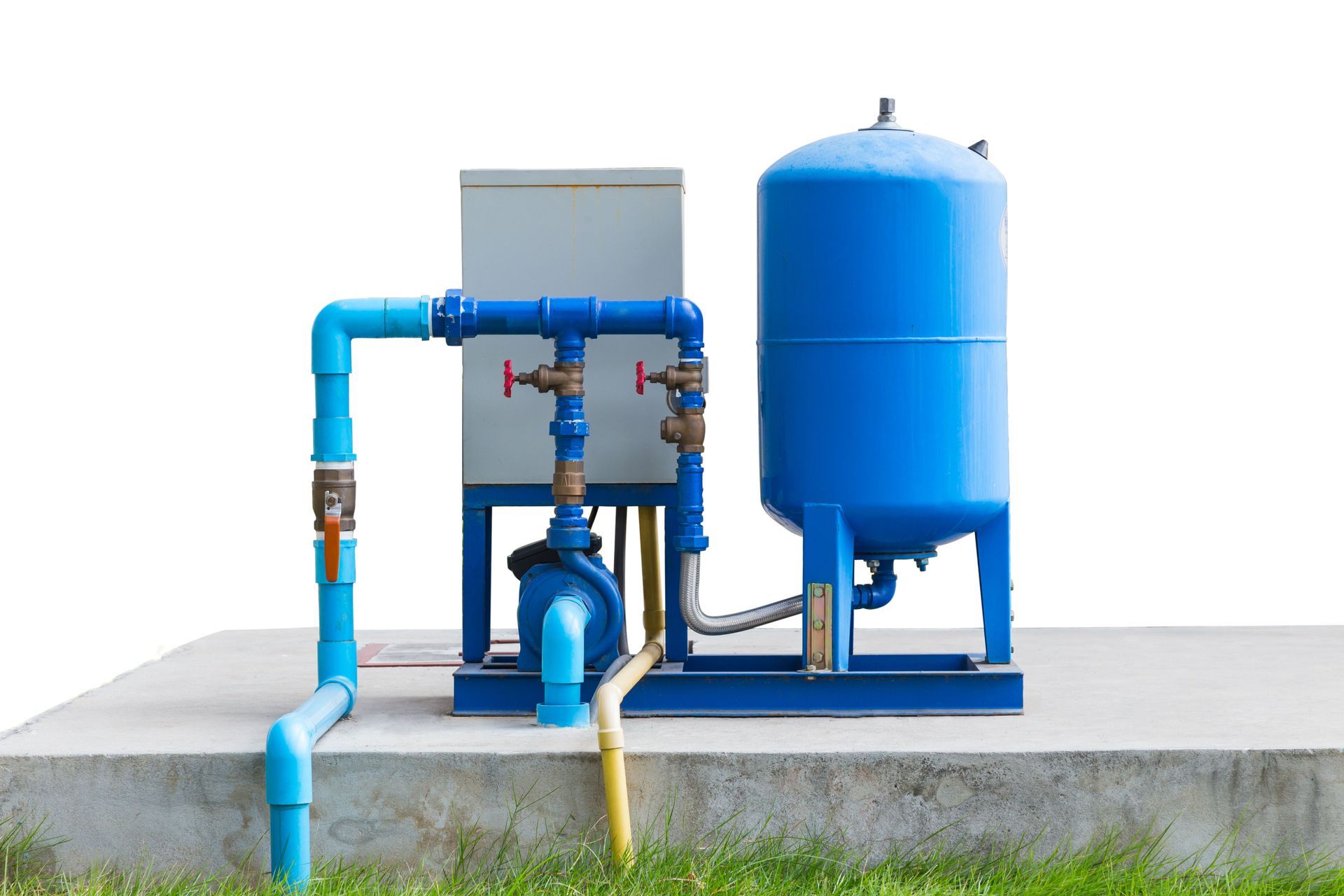
Before diving into the causes of repair, it helps to understand how well pumps function. A well pump is a mechanical device that moves water from the underground well to a home's plumbing system. There are several types of pumps, including submersible pumps that sit underwater in the well and jet pumps that are installed above ground. Each type of pump relies on components such as motors, bearings, impellers, and seals to operate efficiently. A well pump works in combination with pressure tanks, pressure switches, and electrical systems to maintain consistent water flow. When any of these components experience problems, the pump may fail or operate at reduced efficiency, making repair necessary.
Wear and Tear Over Time
One of the most common causes of well pump repair is natural wear and tear. Well pumps operate under continuous use, and over time, parts like bearings, seals, and impellers may degrade. This is especially true in older systems that have been in service for many years. Even with routine maintenance, mechanical parts will eventually reach the end of their lifespan. Signs of wear include unusual noises during operation, inconsistent water flow, and reduced pressure. By recognizing these warning signs early, homeowners can schedule professional repairs before a complete system failure occurs, avoiding costly emergency service calls.
Electrical Problems and Malfunctions
Well pumps rely heavily on electrical components to function properly. Issues with wiring, circuit breakers, or pressure switches can prevent a pump from turning on or cause it to run inconsistently. Damaged electrical connections or faulty controls can result from age, improper installation, or power surges. Homeowners should pay attention to tripped breakers, flickering indicators, or irregular water delivery, as these may indicate electrical issues with the pump. Regular inspections by a licensed technician can help identify and repair these problems before they lead to pump failure.
Sediment and Debris Buildup
Many private wells naturally contain minerals, sand, and other debris. Over time, this sediment can accumulate in the pump or well casing, reducing water flow and putting strain on mechanical components. Sediment buildup can also cause corrosion or damage to internal parts, leading to more frequent repairs. To prevent this, homeowners should consider installing a pre-filter system and scheduling routine well maintenance. Regular cleaning and flushing of the pump and well can help maintain performance, improve water quality, and reduce the risk of damage caused by debris.
Low Water Levels and Dry Running
Water levels in private wells can fluctuate due to seasonal changes, drought conditions, or increased household usage. When a well pump operates with insufficient water, it can overheat or run dry, causing significant damage to the motor and impellers. This type of problem is one of the most avoidable causes of well pump repair because monitoring water levels and limiting excessive usage can prevent dry running. Installing low-water cutoffs or alarms can alert homeowners when water levels are too low, protecting the pump from unnecessary strain.
Mechanical Failures
Well pumps can also experience internal mechanical failures unrelated to wear or electrical issues. Broken shafts, damaged impellers, or worn seals may occur due to improper installation, extended operation under high stress, or the use of pumps that are not designed for specific well conditions. These mechanical failures often require professional repair or part replacement. Regular inspections can identify minor mechanical problems before they escalate, keeping the pump running efficiently and extending the system's overall life.
Signs You May Need Well Pump Repair
Homeowners should be aware of the signs that indicate their well pump may need repair. Common indicators include reduced water pressure, strange noises such as grinding or humming, inconsistent water flow, frequent cycling on and off, or sudden increases in energy bills. These symptoms often point to underlying issues that, if left unaddressed, can lead to complete pump failure. Paying attention to these warning signs and scheduling prompt service ensures that water supply remains reliable and prevents more extensive damage to the system.
Preventative Maintenance Strategies
Preventative maintenance is one of the best ways to minimize the need for well pump repair. Regular inspections by a licensed technician can identify early signs of wear, electrical problems, sediment buildup, or mechanical issues. Cleaning and lubricating moving parts, checking electrical connections, and monitoring water levels are all important tasks. Additionally, homeowners can perform simple at-home checks, such as observing water pressure and listening for unusual pump sounds. By staying proactive, homeowners can extend the lifespan of their well pump, maintain water quality, and avoid costly emergency repairs.
The Role of Professional Services
Professional well pump repair services provide expertise that is essential for maintaining reliable water systems. Trained technicians can diagnose issues accurately, perform necessary repairs, and recommend improvements or replacements to prevent future problems. These experts also understand the importance of following local regulations and safety standards, ensuring that all work is performed correctly. Partnering with a reputable service provider not only addresses immediate problems but also gives homeowners peace of mind that their water supply will remain consistent and safe.
Benefits of Investing in Well Pump Maintenance
Investing in well pump maintenance and timely repair offers several benefits. It ensures uninterrupted access to clean water, reduces the risk of emergency failures, extends the lifespan of the pump, and can ultimately save money on costly replacements. Well-maintained pumps operate more efficiently, which can lower energy consumption and reduce wear on other plumbing components. Additionally, a properly functioning well pump helps maintain water pressure throughout the home, supporting everyday activities such as showering, cooking, and laundry.
Well pumps are essential for households that rely on private wells, providing a reliable source of water for daily living. Over 13 million U.S. households depend on these systems, making proper maintenance and timely repair critical. Common causes of well pump repair include wear and tear, electrical malfunctions, sediment buildup, low water levels, and mechanical failures. Recognizing warning signs, performing preventative maintenance, and working with professional repair services can help ensure a reliable water supply, prevent costly damage, and extend the life of your system. By understanding the factors that contribute to pump failure and taking proactive steps, homeowners can protect their investment and maintain consistent access to clean water.
For reliable well pump repair and maintenance, trust the experts at Connecticut Valley Artesian Well Co Inc. Contact us today to schedule service and ensure your water system operates efficiently and reliably year-round. Our experienced team is ready to provide prompt, professional solutions tailored to your home's needs.







Share On: