How Long Does a Well Pump Last and How Do I Extend Its Lifespan?
Well pumps play an essential role in delivering water to properties that rely on private wells. Their lifespan depends on several factors, including pump design, water quality, installation, and maintenance. According to Home Advisor, a well pump lasts between 8 and 15 years. Understanding the differences between pump types and recognizing signs of wear can help property owners plan for repairs and replacement.
Common Types of Well Pumps
Submersible pumps operate underwater, typically deep inside the well. They push water toward the surface and are known for their efficiency and durability. These models generally last between 8 and 15 years, depending on water quality, usage, and maintenance.
Jet pumps are commonly used in shallow wells and are installed above ground. They create suction to draw water through a pipe, making them suitable for certain residential water systems. Their typical lifespan ranges from 5 to 10 years, although environmental exposure and component wear can affect their longevity.
Centrifugal pumps use rotating impellers to move water through a system. Their relatively simple design makes them dependable for applications that require less water pressure or lift. With appropriate installation and professional servicing, these pumps can last approximately 8 to 10 years.
Solar-powered pumps provide another option, particularly for properties in remote locations. Their lifespan generally ranges from 10 to 15 years, depending on the quality of the pump, solar panels, and electrical components. Proper system design and routine professional inspections help maintain reliable performance.
Factors That Affect Well Pump Lifespan
Water quality is one of the most important factors affecting pump longevity. Sediment, minerals, and other contaminants can accumulate inside equipment and cause internal components to wear down. Properties with particularly hard or sediment-heavy water may experience more frequent pump problems.
Installation quality also plays an important role. Incorrect sizing, poor connections, and improper placement can create unnecessary strain on the equipment. Working with experienced professionals helps ensure that the system is properly matched to the property's water requirements.
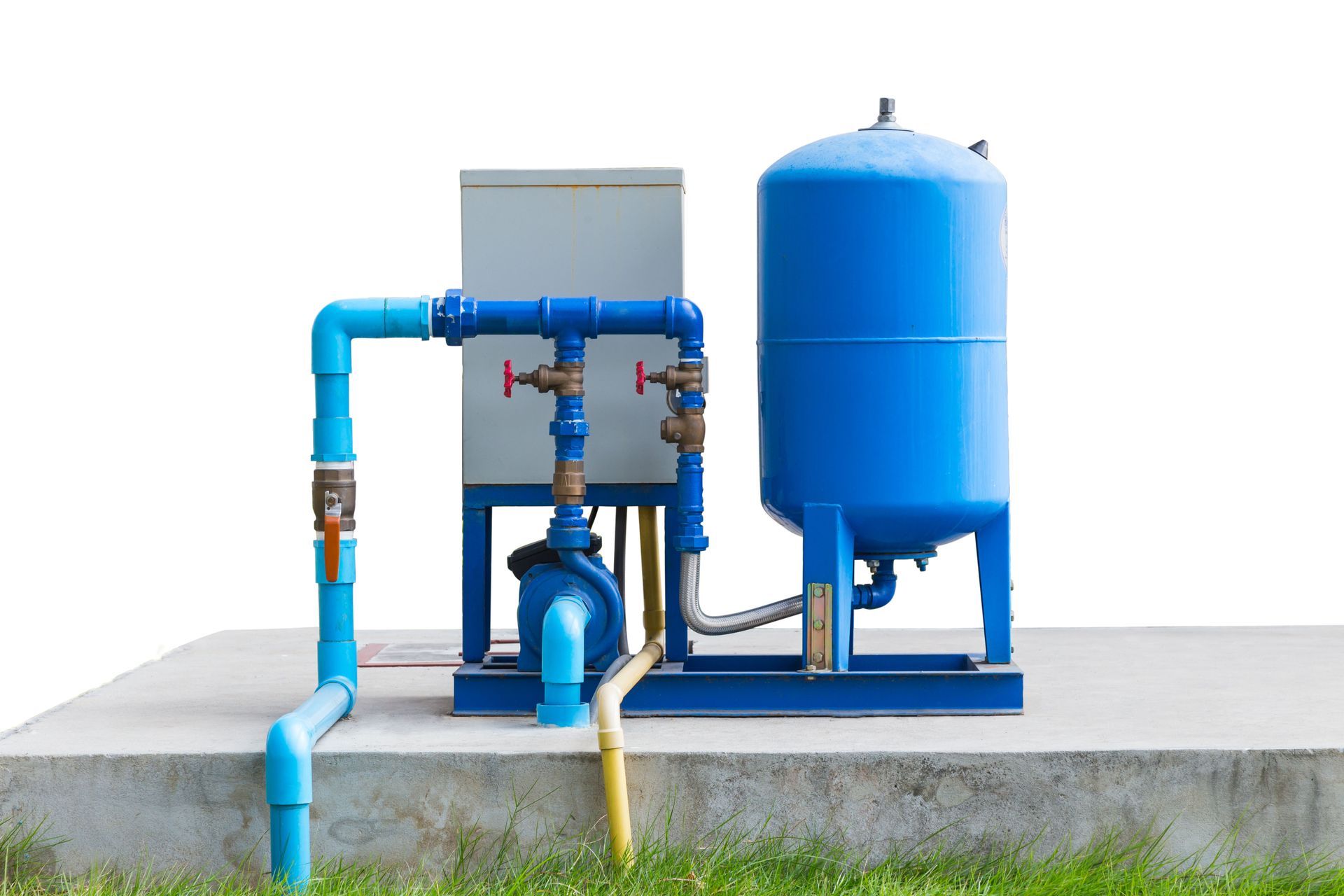
Water demand can influence how quickly a pump wears out. Larger households and properties with substantial water needs may require more frequent pump operation. Pressure tanks and properly designed systems help regulate operation and reduce unnecessary cycling.
Environmental conditions can also affect equipment performance. Extreme temperatures, corrosion, and groundwater characteristics may contribute to premature deterioration. Professional inspections can identify environmental concerns and determine whether protective measures are needed.
Signs Your Well Pump Needs Attention
Changes in water pressure are among the most noticeable signs of a potential pump problem. A weakening pump may struggle to deliver consistent water throughout the property. Although other plumbing components can cause similar symptoms, persistent pressure problems warrant a professional inspection.
Unusual noises can also indicate mechanical trouble. Grinding, humming, or rattling sounds may point to worn bearings, electrical problems, or other damaged components. Having the system evaluated early can help prevent additional damage.
Higher electricity bills may suggest that an aging pump is becoming less efficient. As internal components deteriorate, the equipment may require more energy to maintain normal performance. A professional can determine whether repairs or replacement would provide a better long-term solution.
Frequent cycling is another warning sign. When a pump repeatedly switches on and off, the problem may involve the pressure tank, switch, or pump itself. Continued cycling can place additional strain on the system and shorten its service life.
Discolored water may also indicate a problem with the well system. Rust, sediment, and other contaminants can affect water appearance and signal deteriorating components or groundwater concerns. A professional assessment can help identify the source and determine the appropriate solution.
Professional Maintenance for Longer Pump Life
Routine professional inspections help identify developing problems before they lead to major equipment failures. Technicians can examine electrical connections, pressure levels, pump operation, and other important system components. Consistent evaluations also provide a clearer picture of the equipment's overall condition.
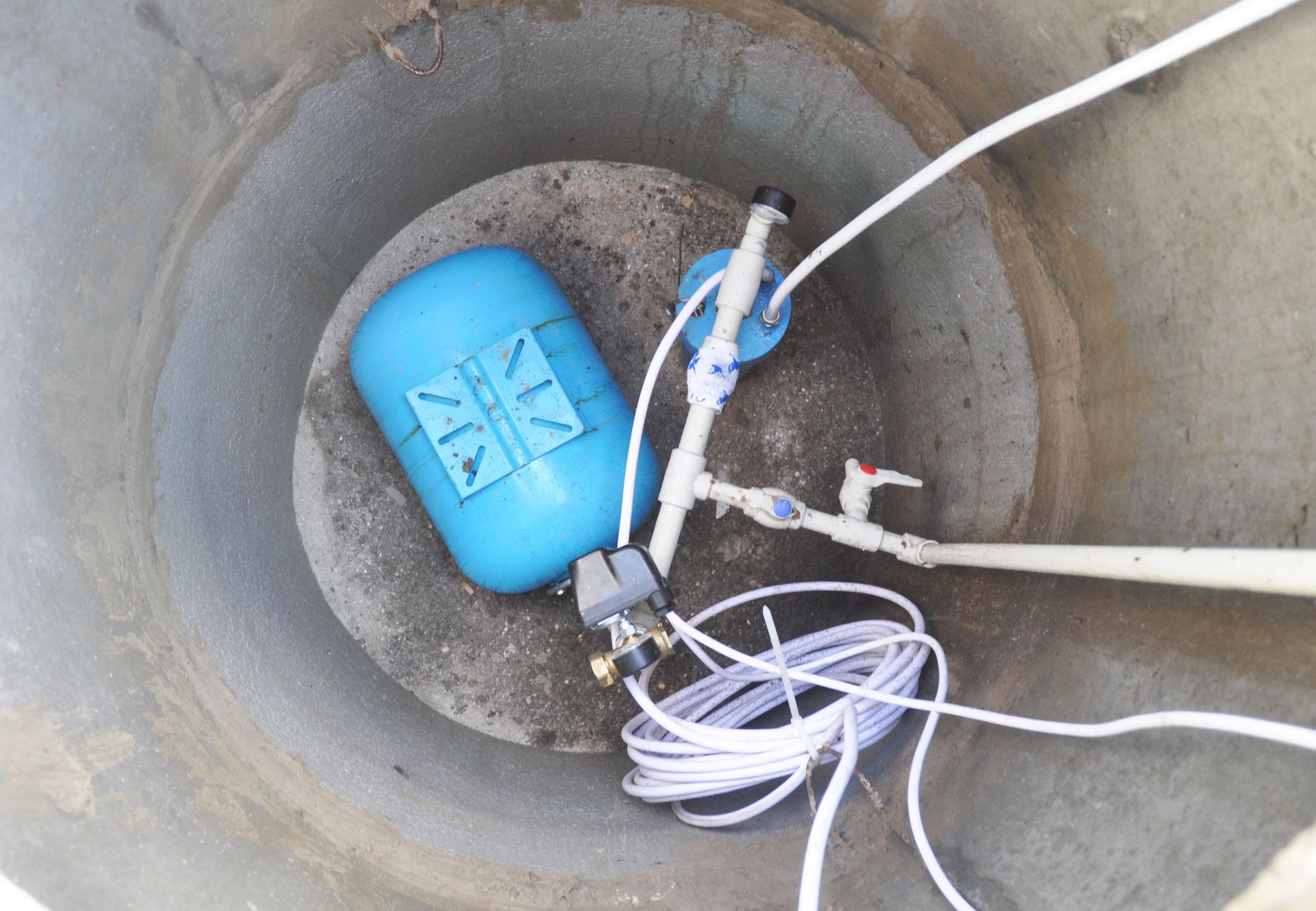
Pressure tank inspections are particularly important because the tank helps regulate pump operation. Problems with the tank can cause frequent cycling and unnecessary strain on the equipment. Professional servicing helps ensure that the tank and pump work together effectively.
Electrical components should also receive regular attention. Damaged wiring, worn switches, and corroded connections can interfere with reliable operation. Having these components evaluated helps reduce the likelihood of unexpected breakdowns.
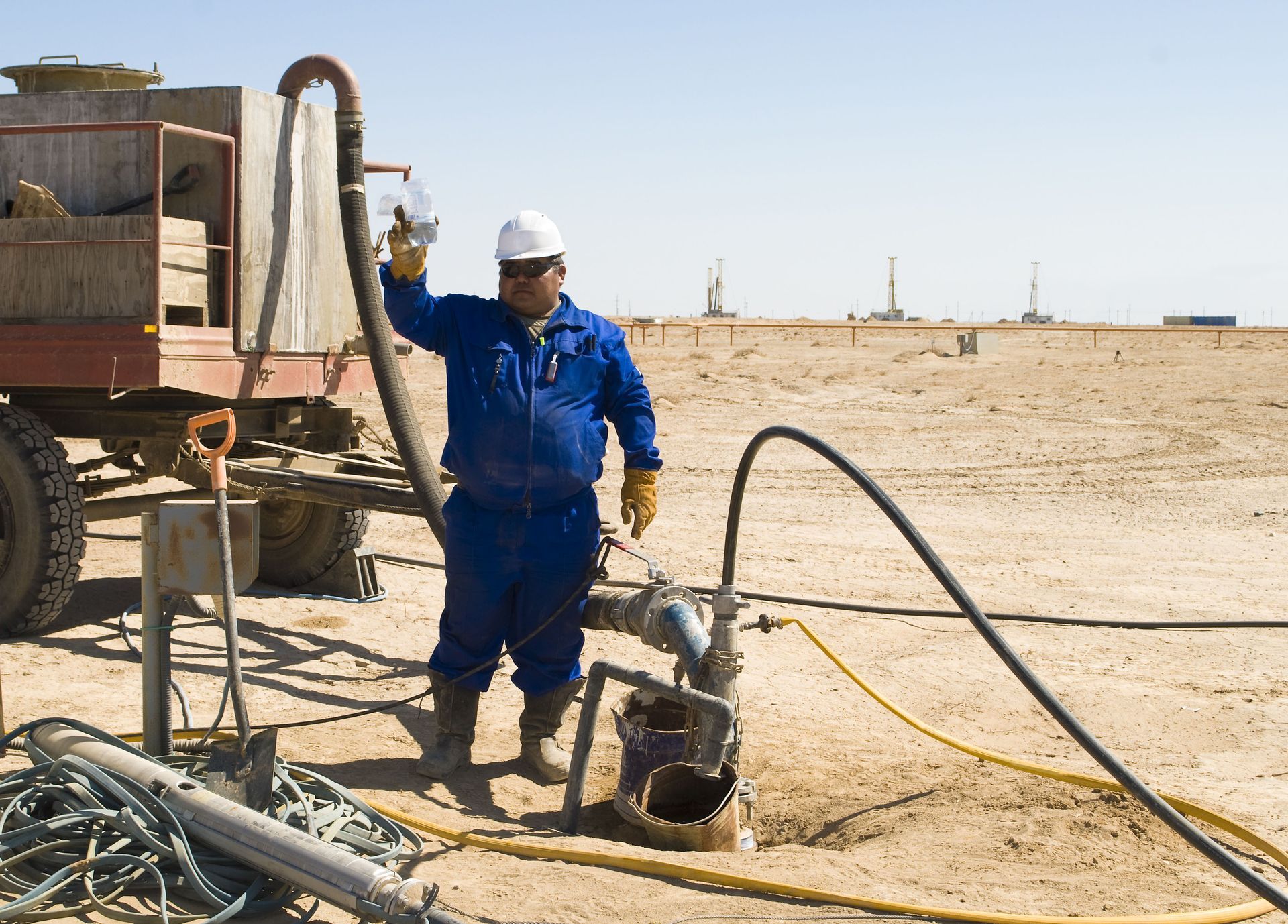
Water quality monitoring can provide additional protection. Sediment and mineral buildup may gradually affect pump performance, especially in wells with challenging groundwater conditions. Professional water testing can identify potential concerns and help determine whether filtration or other treatment options are appropriate.
Keeping service records also helps property owners understand how their equipment performs over time. Previous repairs, inspection findings, and installation dates provide useful information when evaluating an aging system. These records can help professionals make more informed maintenance and replacement recommendations.
Modern Features That Improve Pump Performance
Advances in pump technology have introduced features that can improve efficiency and reliability. Modern motors are often designed to deliver consistent performance while consuming less electricity. Reduced energy demands can also help limit unnecessary heat and mechanical stress.
Smart monitoring systems provide another useful development. These systems track operating conditions and can alert property owners when performance changes. Early notifications allow professionals to investigate potential problems before they develop into more serious failures.
Improved filtration technology can also protect pump components. Removing excessive sediment and other contaminants helps reduce internal wear and supports better water quality. The appropriate filtration solution depends on the property's groundwater conditions and equipment requirements.
Variable speed controllers offer additional efficiency benefits. Rather than operating at one constant speed, these systems adjust pump activity according to water demand. This can reduce unnecessary cycling and help maintain more consistent pressure throughout the property.
Professional Replacement for an Aging Well Pump
Deciding between repairing and replacing a pump requires consideration of its age, condition, and repair history. A relatively new system with an isolated problem may only need a targeted repair. However, repeated breakdowns and increasing service expenses can make replacement a more practical investment.
Energy efficiency is another consideration. Older equipment may consume more electricity than newer models while providing less consistent performance. Comparing operating costs and available replacement options can help property owners determine whether an upgrade makes financial sense.
Warranty coverage should also factor into replacement decisions. Reviewing the original equipment warranty can clarify which repairs or component failures may qualify for coverage. Understanding these details helps property owners evaluate potential expenses before committing to a replacement.
Professional recommendations are especially valuable when a pump approaches the end of its expected service life. A qualified technician can evaluate the existing system, determine whether repairs remain worthwhile, and identify suitable replacement options. This assessment helps ensure that the selected equipment meets the property's water needs.
A dependable water supply starts with equipment that receives proper attention throughout its service life. Understanding pump types, recognizing warning signs, and scheduling professional inspections can help property owners avoid unexpected disruptions. When replacement becomes necessary, selecting equipment that matches the well's depth, water demand, and operating conditions is essential.
Connecticut Valley Artesian Well Co Inc can help property owners address their well system and well pump needs with professional service and knowledgeable recommendations. Whether you are experiencing pressure problems, dealing with an aging system, or considering a replacement, contact Connecticut Valley Artesian Well Co Inc to discuss your options and keep your water supply operating reliably.




Share On: