
How Often Well Pumps Should Be Serviced
This article explores the importance of regular well pump maintenance, outlines recommended service frequencies, and delves into the factors affecting service intervals. It also explains the benefits of professional inspection, along with addressing common signs that your well pump requires immediate attention. Understanding these elements helps homeowners maintain an efficient water system over time.
Practical Understanding of Well Pumps
Explore Types of Well Pumps
Overall, pumps are categorized into various types, each serving distinct purposes and boasting unique features. Submersible pumps are commonly used for deep wells, submerged underwater to push water to the surface efficiently. Jet pumps, on the other hand, are designed for shallow wells and typically get placed above ground, utilizing suction. Understanding these types can help inform maintenance decisions and service requirements.
When it comes to selecting the right well pump for your home, it's crucial to consider the well's depth, water table level, and desired flow rate. Each type has its advantages and disadvantages in terms of performance, installation, and maintenance cost. Submersible pumps, while more efficient for deep wells, often require professional assistance for repairs due to their submerged nature. Jet pumps, however, offer more accessible serviceability but may not match the efficiency of their submersible counterparts in deep wells.
Learn How Well Pumps Operate
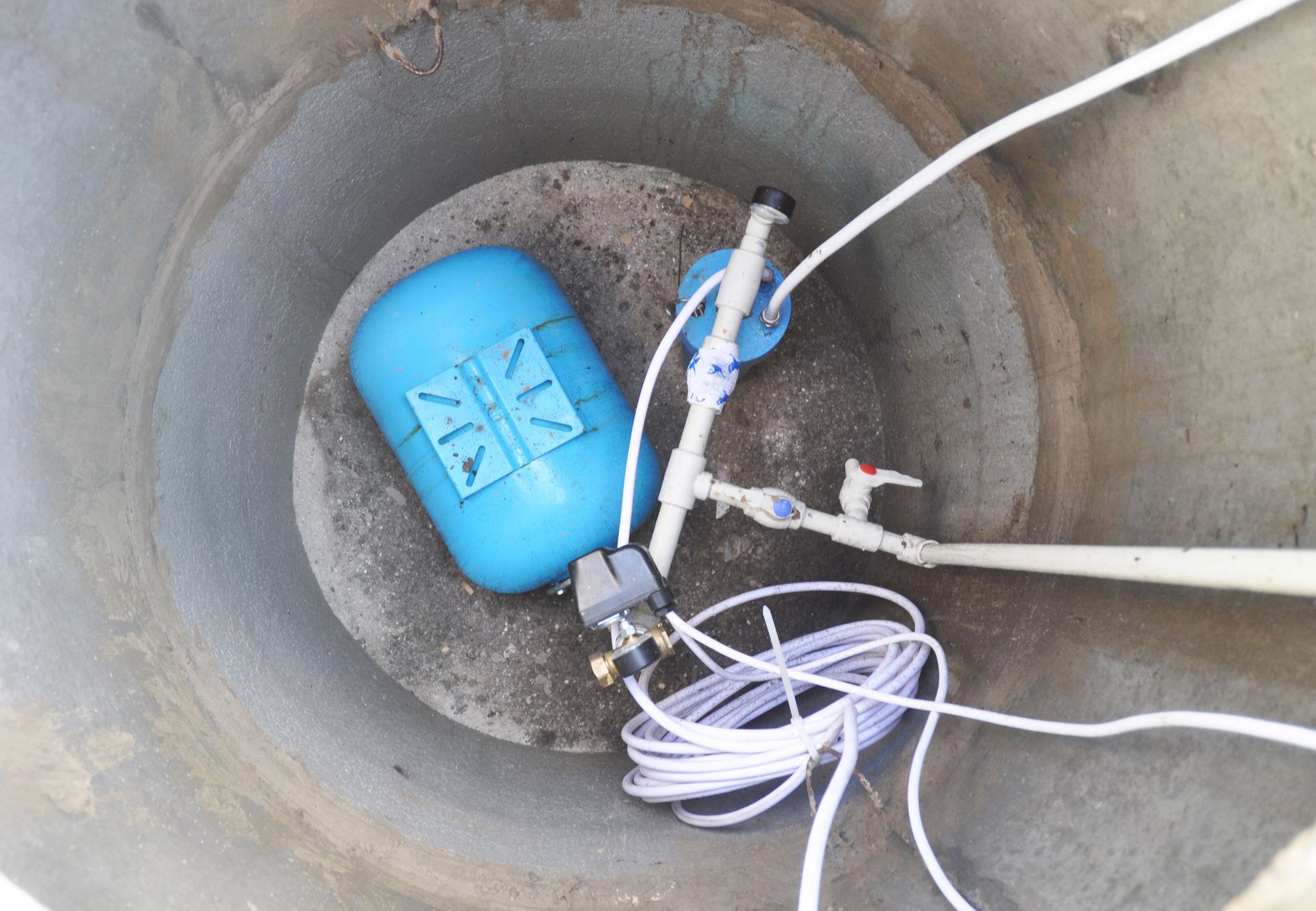
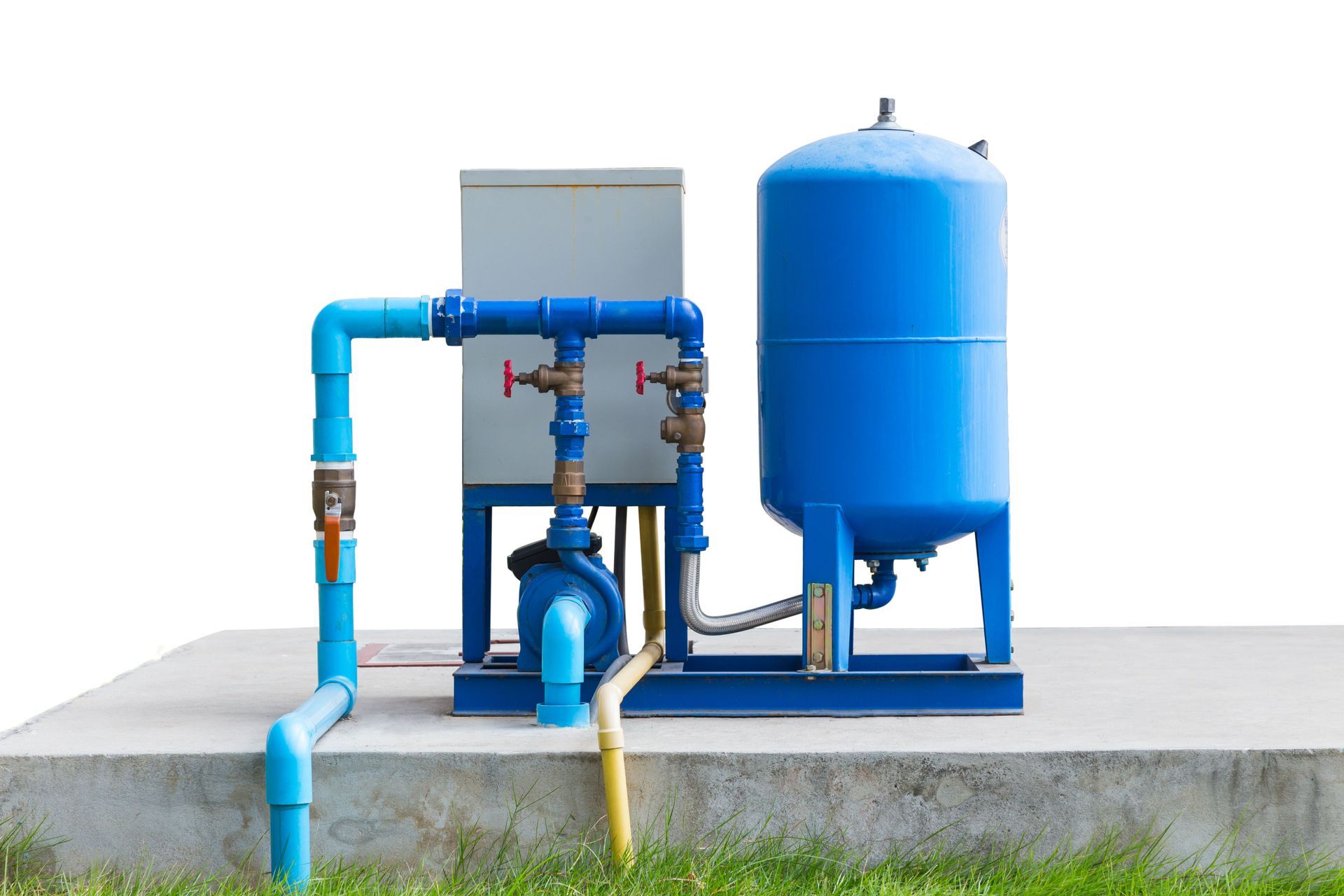
At the core of any residential water system is a well pump, crucial in moving water from underground to the surface. This process begins when the pump motor is activated, either via a pressure switch or automated controller, prompting it to draw water from the well. The energy generated by the motor pushes the water through pipes and into a pressure tank, where it is subsequently distributed to household faucets and fixtures.
Furthermore, well pumps rely on various components to function optimally, including the check valve, impeller, and pressure switch. The check valve prevents backflow, maintaining the pump's prime, while the impeller pushes water through the system. When these components experience wear or damage, it may result in decreased performance, necessitating timely maintenance.
Monitoring for irregularities such as noises, vibrations, or fluctuating pressure can indicate the need for repairs or replacement. Familiarizing oneself with these components is vital for maintaining operational efficiency. Understanding how systems function helps homeowners identify concerns early and maintain consistent performance.
Maintain Regular Well Pump Maintenance
Regular maintenance of well pumps is critical to their performance and longevity. A well-maintained pump can operate more efficiently, leading to reduced energy consumption and avoidance of costly breakdowns. Neglected maintenance can result in various issues, such as clogs, wear, and eventual system failure.
Moreover, regular maintenance contributes significantly to water quality. According to the EPA, in a U.S. Geological Survey study of 2,100 private wells found that water from about one in five wells contained at least one contaminant above a human-health benchmark for drinking water. Regular checks can help reduce the likelihood of contaminants entering the water supply and support a safer household environment.
Prevent Consequences of Poor Maintenance
Neglecting the maintenance of well pumps can lead to multiple adverse effects, both financially and functionally. A lack of upkeep can significantly degrade efficiency, resulting in increased energy usage and higher utility bills. This financial strain is often compounded by the risk of system failure, which may require costly repairs or replacement.
In addition to financial burdens, poor maintenance can compromise water quality and consistency. Contaminated water may affect taste and raise concerns about safety. Irregular water pressure can also create inconvenience and disrupt daily household routines.
Protect the Role of Well Pumps in Water Systems
Overall, pumps are integral components within residential water systems, playing a pivotal role in the delivery and distribution of water. They establish a strong connection between the underground water source and a home's plumbing infrastructure. This linkage helps maintain consistent water pressure and ensures efficient delivery to fixtures throughout the home.
Furthermore, well pumps contribute to the overall balance and integrity of the water system. They regulate pressure tank operation and help prevent disruptions such as pressure fluctuations or uneven flow. This coordination supports both system efficiency and plumbing protection.
Recommended Service Intervals
Follow General Guidelines for Service Frequency
General guidelines for well pump service intervals typically recommend an annual inspection and maintenance routine. An annual check helps identify potential issues early, preventing more severe and costly malfunctions. This proactive approach supports efficient operation and extends system lifespan.
Furthermore, regular servicing provides insight into overall system condition and highlights any adjustments needed to improve performance. Professionals evaluate aspects such as motor function, pipe integrity, and water pressure consistency. These evaluations help identify problems that may not be immediately visible.
Consider Factors Affecting Service Intervals
Several factors can influence the frequency of well pump service intervals, requiring a tailored approach for each household. Environmental conditions, such as climate variations or geological changes, can impact system performance. Homeowners should remain aware of these influences when planning maintenance schedules.
Water table variations are another important consideration. Fluctuations in water levels can affect system efficiency and place additional strain on components. Monitoring these changes helps ensure appropriate adjustments are made to maintenance routines.
Compare Service Intervals by Pump Type
Different well pump types possess varying requirements for service intervals, reflecting their operational characteristics. Submersible pumps are generally less accessible and often require professional service for inspection or repair. Their placement can influence how maintenance is scheduled.
Jet pumps, being installed above ground, allow for easier access during routine inspections. This accessibility can support more frequent checks when necessary. Understanding these differences helps guide appropriate maintenance planning.
Evaluate Impact of Water Quality on Service Frequency
Water quality significantly impacts system performance and maintenance needs. Poor-quality water, including high mineral content or sediment, can accelerate wear on components. This may lead to buildup, corrosion, or reduced efficiency over time.
Water testing helps identify potential concerns and allows for appropriate solutions to be implemented. Addressing these issues may involve treatment systems or more frequent inspections. This approach supports both system performance and water safety.
Adjust Intervals Based on Usage Patterns
Water consumption levels influence how often maintenance is required. Homes with higher water demand may place additional strain on system components, requiring more frequent service. Increased usage can accelerate wear if not properly managed.
Seasonal changes and occupancy levels may also affect system demand. Monitoring these patterns helps determine whether maintenance schedules should be adjusted. This supports consistent performance during periods of increased use.
Key Factors of Well Pump Maintenance
Assess Environmental Conditions
These conditions are significant determinants in shaping maintenance strategies. Climate, soil conditions, and surrounding land use can influence system performance and durability. These factors may also affect water quality over time.
In areas prone to severe weather, additional precautions may be necessary. Inspecting exposed components and ensuring system protection can help reduce the risk of damage. It supports continued operation under changing conditions.
Monitor Water Table Variations
Water table variations can greatly affect system performance and maintenance needs. Changes in water levels may alter how efficiently water is drawn from the source. This can increase strain on system components over time.
These variations may result from seasonal changes or other environmental influences. Monitoring water levels helps guide maintenance decisions and prevent unnecessary wear. This supports steady system operation.
Review Installation Quality and Age
The installation quality and age of a well pump are critical factors in determining performance and longevity. Proper installation supports efficient operation and reduces the likelihood of early issues. Poor installation can lead to misalignment, leaks, or electrical concerns.
For those seeking experienced support with well pump service, maintenance, or water system solutions, Connecticut Valley Artesian Well Co Inc offers comprehensive expertise to help keep residential water systems operating effectively. Learn more about our services to better understand how our team can support your water system needs.





Share On: