
How Your Well System Really Works: A Simple Guide for Homeowners
A private well system is designed to supply water directly from underground sources to a home’s plumbing system without relying on municipal water. It works by tapping into groundwater stored in natural aquifers beneath the earth’s surface. This water is drawn upward through a mechanical system and distributed throughout the home for everyday use such as drinking, bathing, cooking, and cleaning.
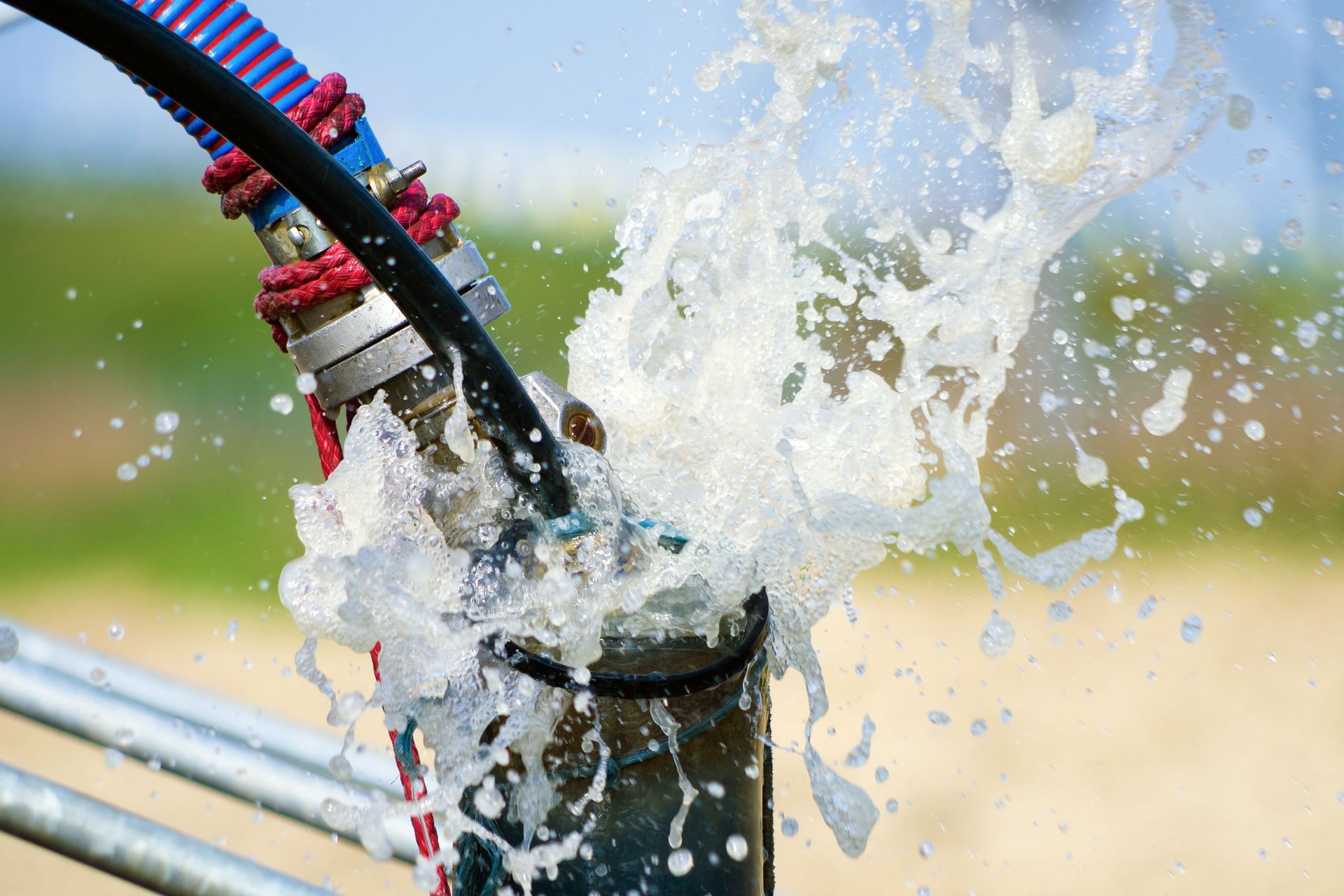
At the core of this entire process are well pumps, which are responsible for lifting water from deep underground and delivering it to the home at usable pressure. Without this component, water would remain inaccessible at the depths where it is naturally stored. The system also includes essential supporting parts such as the well casing, pressure tank, control switch, and piping network, all working together to ensure a steady and reliable water supply. Understanding the basics of how these systems function helps homeowners recognize the importance of proper maintenance and early issue detection.
Exploring Groundwater Formation and Access
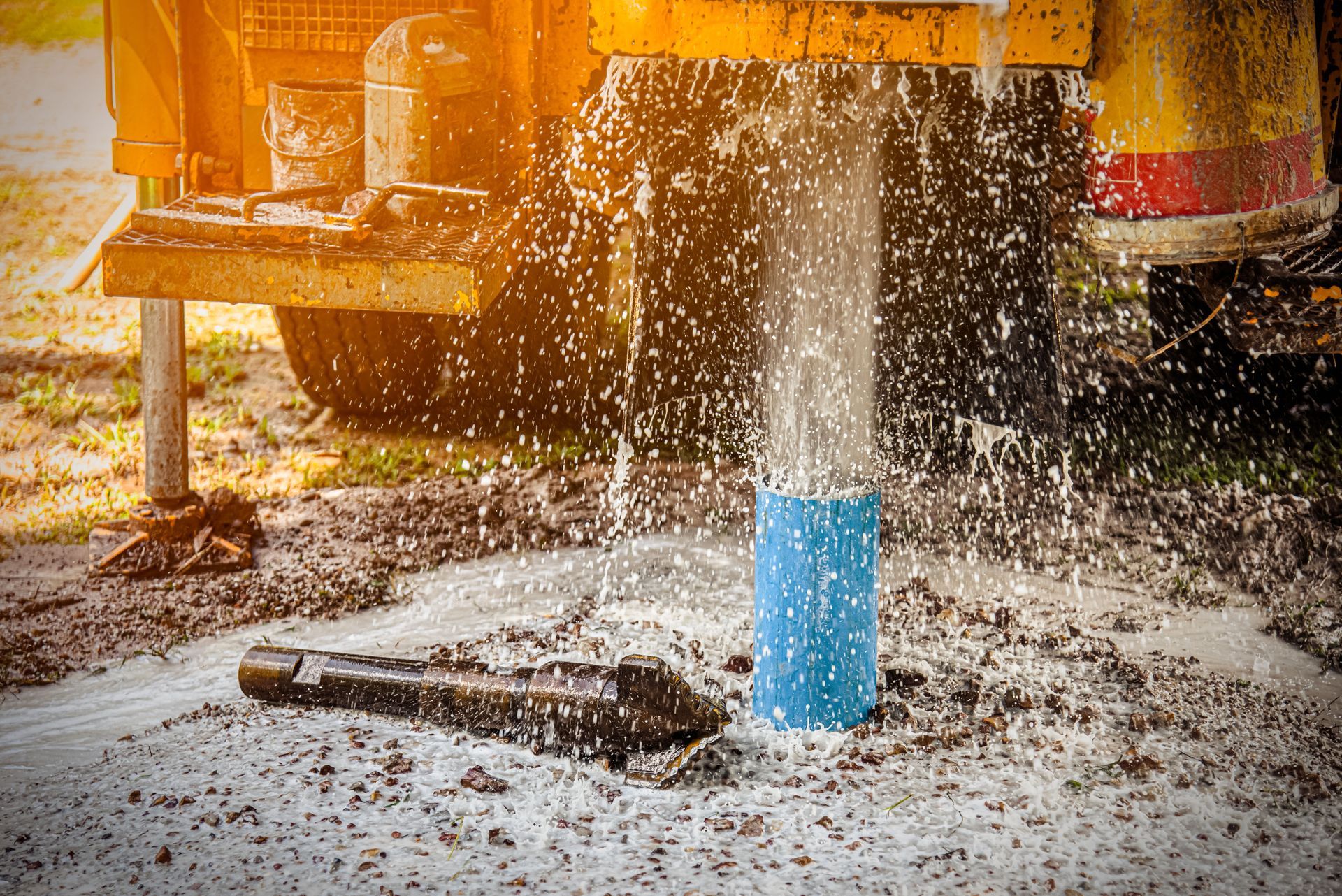
Groundwater is the primary source of water for private well systems. It forms when precipitation such as rain and snow seeps into the ground, filtering through layers of soil, sand, and rock until it reaches underground reservoirs called aquifers. These aquifers can vary in depth, size, and quality depending on geographic location and geological conditions. Once water is stored in an aquifer, it must be accessed through drilling a well deep enough to reach the water table. This is where well pumps play an essential role in making groundwater usable for residential purposes. The pump creates the necessary force to lift water upward, overcoming gravity and delivering it to the surface, where it can enter the home’s plumbing system. Seasonal changes, drought conditions, and environmental factors can all influence groundwater levels. When levels drop, homeowners may notice changes in water pressure or supply consistency.
Explaining Pump Operation and Water Delivery
Once groundwater is accessed, the system relies on mechanical components to move it efficiently into the home. The pump activates automatically when water pressure drops below a preset level, drawing water from the well and pushing it into the pressure tank and distribution system. There are different types of pumping systems, but the function remains consistent: to ensure water is available whenever it is needed. In many homes, well pumps operate multiple times throughout the day depending on household water usage. If the pump is functioning properly, water flows smoothly through faucets, appliances, and fixtures. However, if problems arise, homeowners may experience inconsistent pressure, delayed water delivery, or complete interruptions in service. These symptoms often indicate mechanical wear or pressure imbalance within the system.
Describing Pressure Regulation and Storage Balance
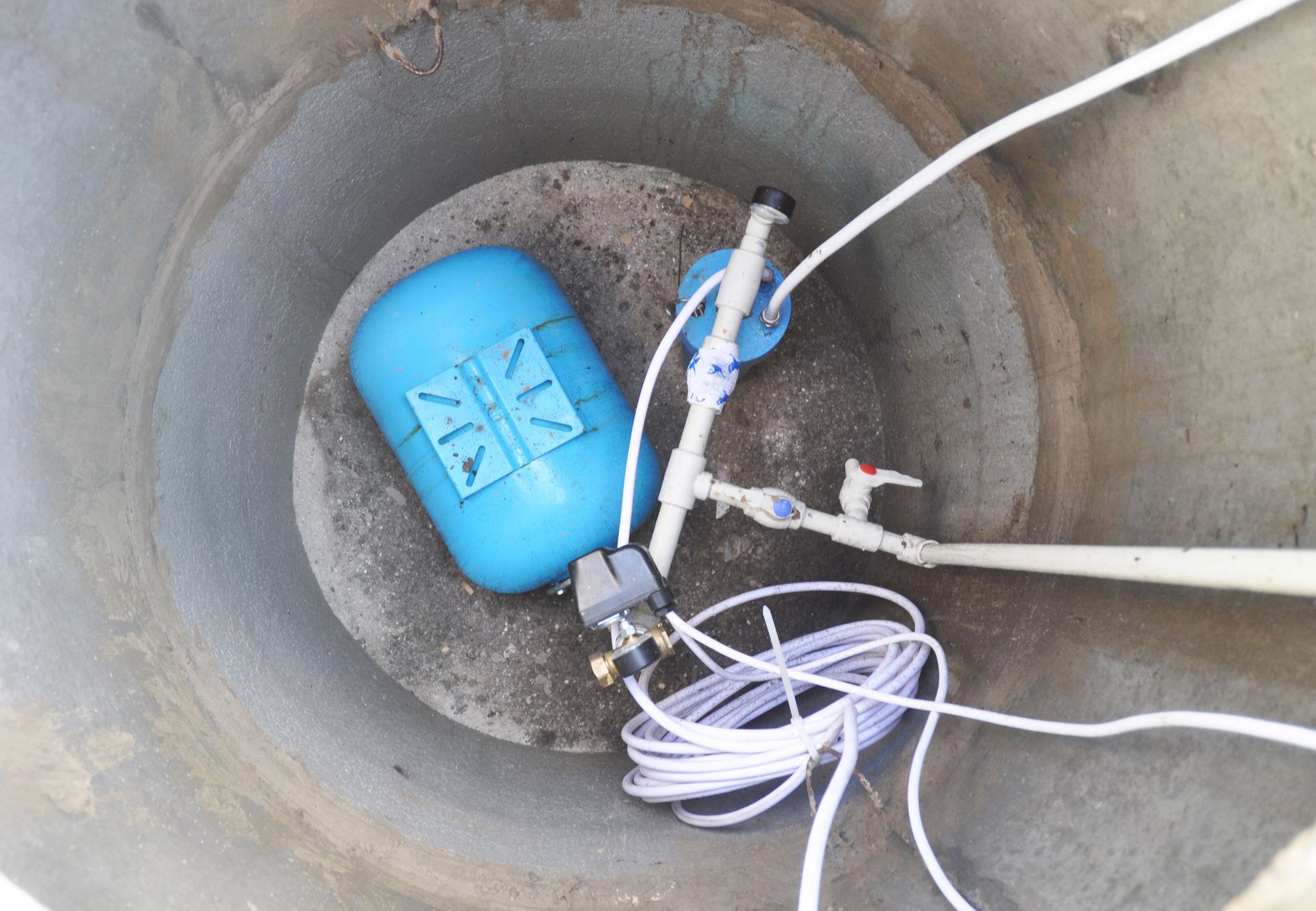
A pressure tank works in combination with the pump to regulate water flow and maintain consistent pressure throughout the home. It stores a reserve of pressurized water, allowing the system to respond quickly when water is used. This reduces how often the pump must activate, helping extend the lifespan of mechanical components. In systems that rely heavily on well pumps, the pressure tank plays a crucial role in reducing strain and preventing excessive cycling. When the tank is functioning correctly, it creates a balance between water supply and demand, ensuring steady performance even during periods of heavy usage. Without proper pressure regulation, the system may experience frequent on-and-off cycling, which can lead to premature equipment failure and reduced efficiency over time.
Identifying Key System Components
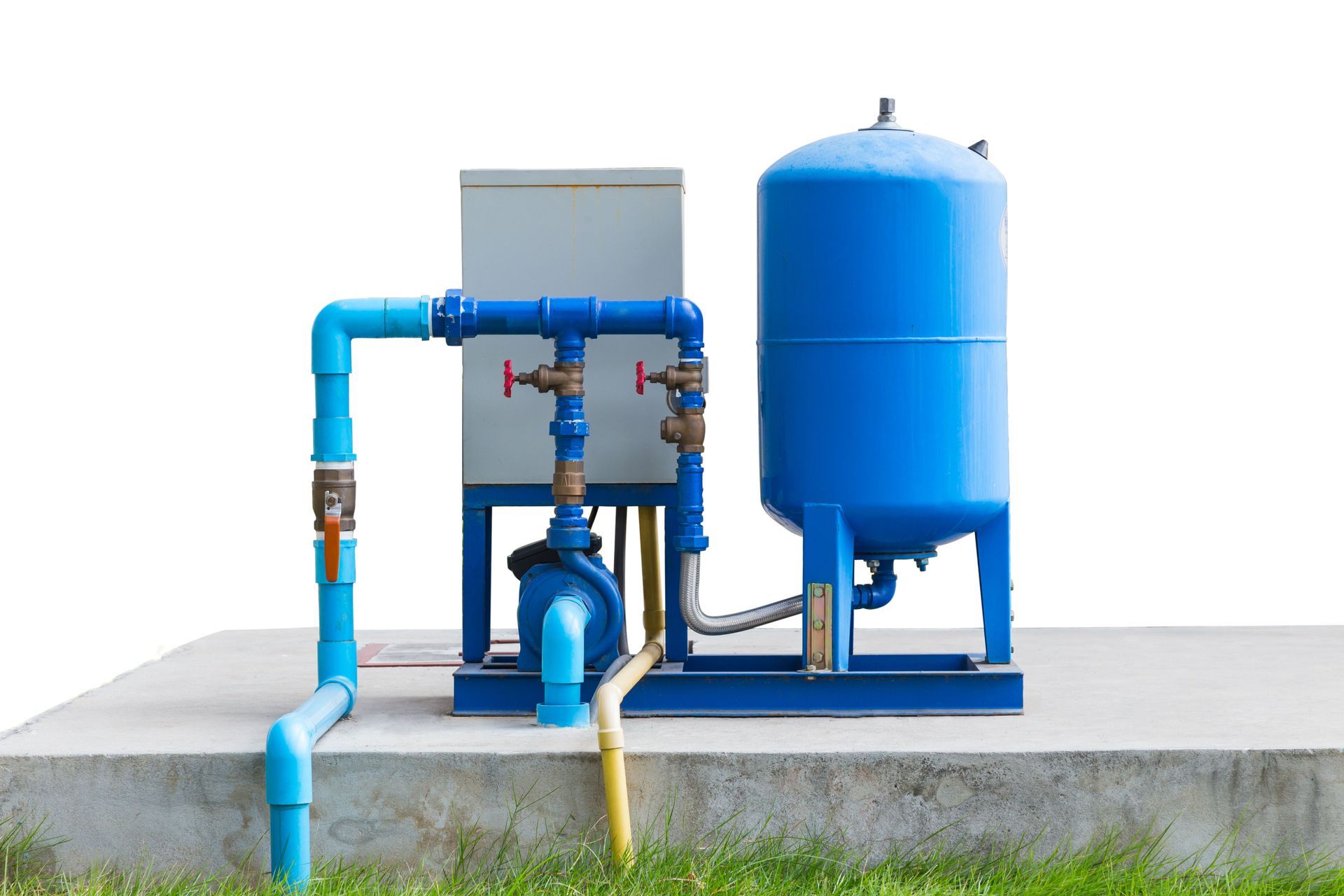
A complete well system is made up of several interconnected parts that work together to deliver clean and reliable water. These include the well casing, pump assembly, pressure tank, electrical controls, and plumbing distribution lines. Each component plays a specific role in ensuring smooth operation. Among these parts, well pumps are often considered the most critical because they directly control water movement from the source to the home. If the pump fails, the entire system is unable to function properly, making it one of the most important elements to monitor and maintain. Routine inspections can help identify early signs of wear, corrosion, or electrical issues before they lead to system failure or costly repairs.
Recognizing Common Warning Signs
Homeowners should pay attention to early warning signs that may indicate problems within the well system. These signs include fluctuating water pressure, air sputtering from faucets, unusual noises coming from equipment, or discolored water. When well pumps begin to lose efficiency, these symptoms often become more noticeable and frequent. Ignoring these signs can lead to more serious system failures or a complete loss of water service. Addressing issues early allows for quicker repairs and helps prevent damage to other connected components, such as the pressure tank or plumbing lines. Regular monitoring is one of the most effective ways to maintain long-term system reliability.
Maintaining System Performance and Efficiency
Ongoing maintenance is essential for keeping a well system operating efficiently. This includes checking pressure levels, inspecting electrical connections, testing water quality, and ensuring all mechanical components are functioning properly. Over time, sediment buildup, mineral deposits, and normal wear can impact system performance. Proper care of well pumps helps ensure consistent water delivery and reduces the likelihood of unexpected breakdowns. Preventative maintenance not only extends equipment lifespan but also helps improve energy efficiency and water consistency throughout the home. Scheduling regular inspections is one of the most effective ways to protect the system from long-term damage.
Understanding Water Quality Testing Requirements
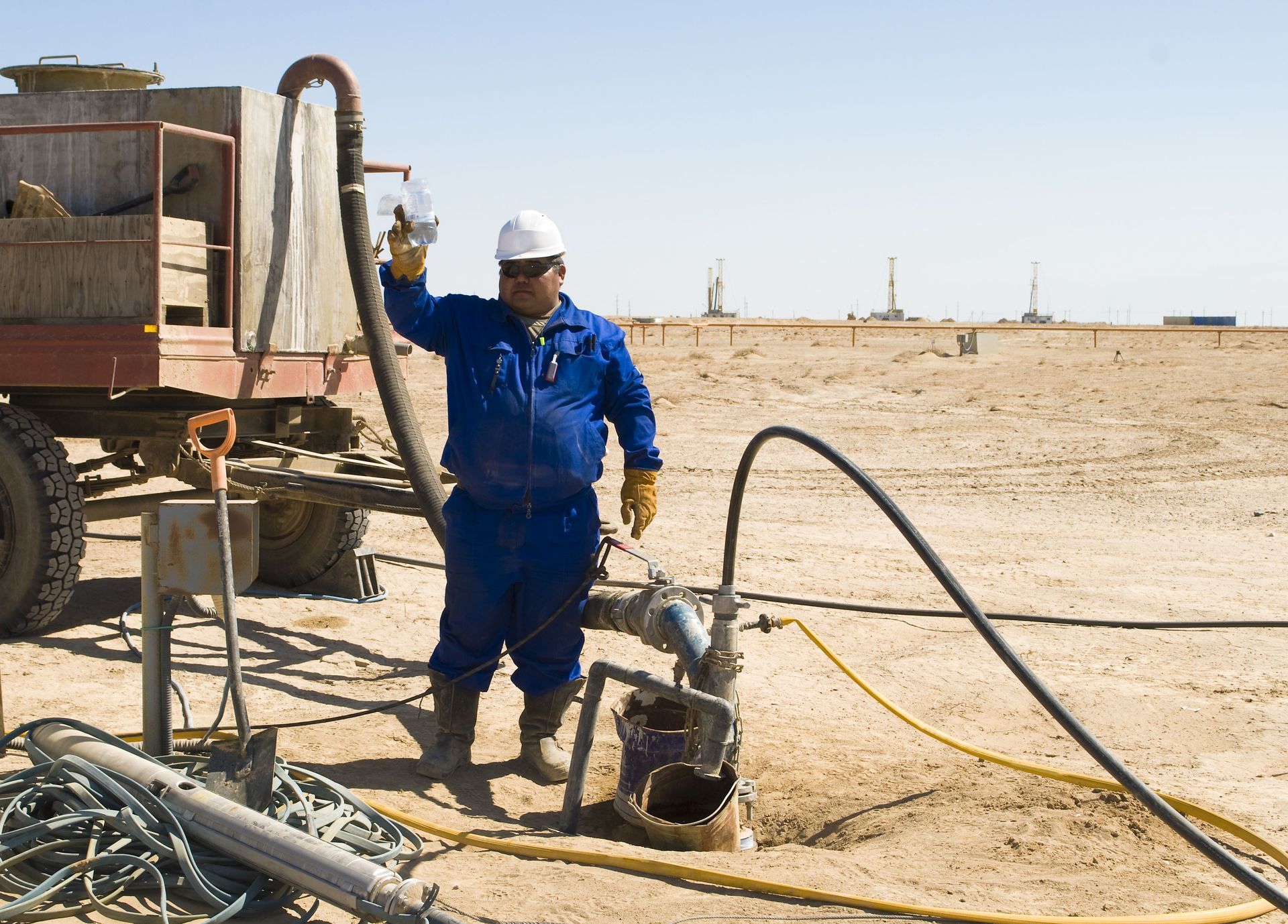
Water quality is a critical part of maintaining a safe and functional well system. Because private wells are not regulated by public water systems, homeowners are responsible for testing their own water to ensure it is safe for consumption. According to Penn State Extension, well water should be tested annually to ensure water quality and every three years to check pH levels and total dissolved solids. This recommendation highlights the importance of ongoing monitoring to maintain safe drinking water conditions and identify potential contamination early. Testing helps detect bacteria, nitrates, and chemical imbalances that may affect both health and system performance.
Improving System Longevity and Efficiency
System longevity depends on how well all components work together under varying conditions. Factors such as water usage, groundwater levels, seasonal changes, and equipment condition all contribute to overall performance. When well pumps operate efficiently, they help reduce energy consumption and maintain consistent water pressure throughout the home. Simple practices such as avoiding overuse during peak demand, scheduling routine inspections, and addressing minor issues quickly can significantly extend the lifespan of the entire system. Proper installation and ongoing maintenance are key to ensuring long-term reliability.
Understanding how a private well system works helps homeowners make informed decisions about maintenance, repairs, and upgrades. Each part of the system — from groundwater sources to mechanical components — plays an important role in delivering clean and consistent water. By staying aware of how the system operates and recognizing early warning signs, homeowners can prevent costly issues and ensure reliable water access year-round. Our team at Connecticut Valley Artesian Well Co Inc is committed to helping homeowners maintain dependable and efficient water systems. Whether you need installation, maintenance, or expert inspection services, our team is ready to provide reliable support tailored to your needs. Contact us today to schedule your service and keep your water system performing at its best.







Share On: