What Factors Affect the Lifespan of a Well Pump?
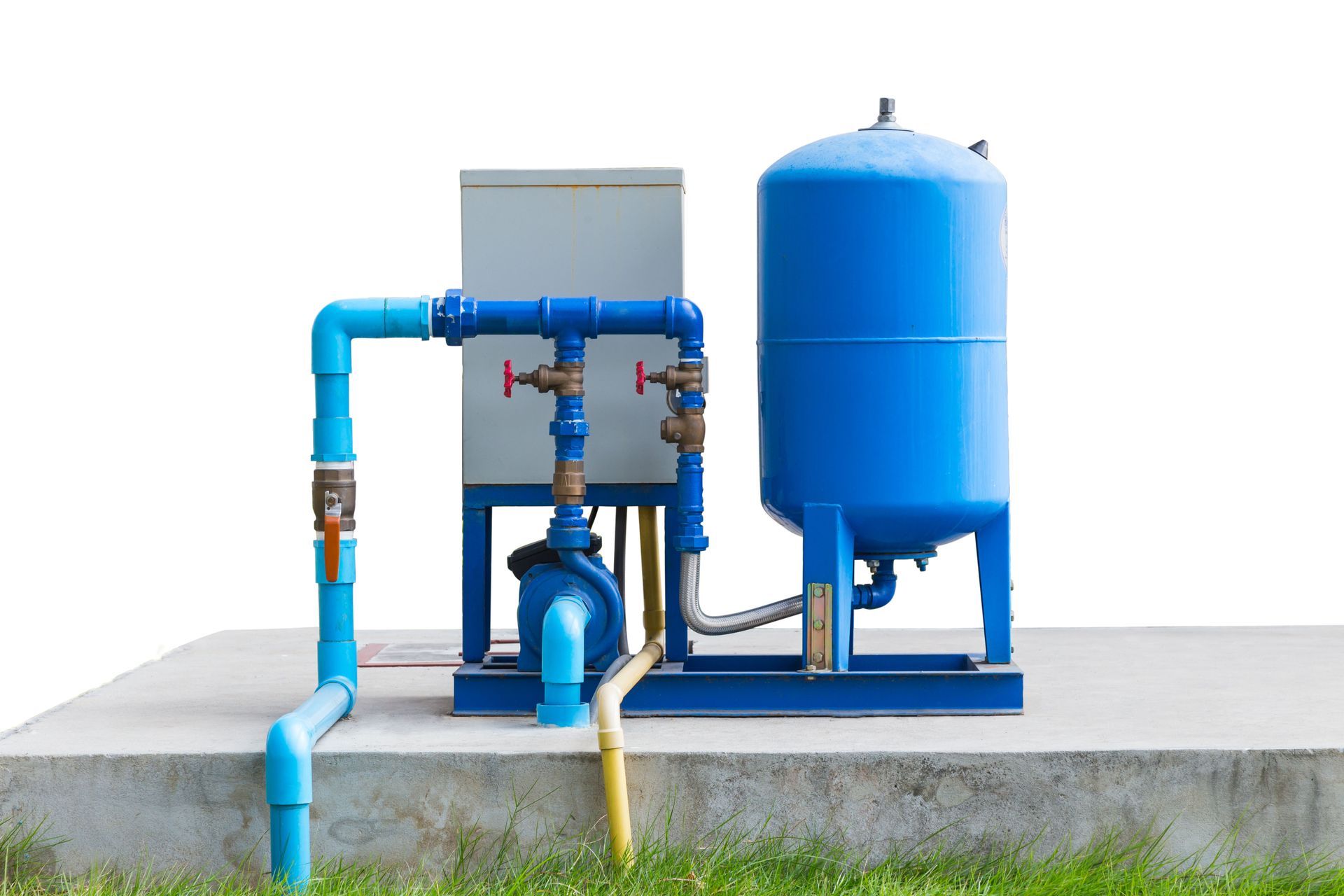
A reliable well pump is essential for maintaining a consistent water supply in properties that depend on private wells. However, even high-quality pumps experience wear over time. Understanding the factors influencing their lifespan helps property owners recognize problems and make informed maintenance decisions.
According to the National Ground Water Association, the average lifespan of a well pump is 8 to 15 years. Actual longevity depends on equipment quality, installation, water conditions, and maintenance.
At Connecticut Valley Artesian Well Co Inc, we understand the importance of dependable water systems. Our professional well pump services help property owners address performance concerns, maintain water pressure, and protect their equipment.
1. Quality of the Well Pump
The materials, construction, and specifications of a well pump influence its durability. Choosing dependable equipment suited to a property's water requirements can reduce premature wear.
Material Composition and Durability
Well pumps operate in environments where moisture, minerals, and sediment affect their components. Durable materials, including stainless steel and corrosion-resistant components, protect equipment against deterioration.
Lower-quality materials may experience accelerated wear, particularly when exposed to challenging groundwater conditions. Professional equipment selection helps ensure long-term performance.
Manufacturer Reputation and Reliability
Established manufacturers offer equipment designed to meet specific performance standards. Product warranties, replacement part availability, and manufacturer support are important considerations.
Our well pump services emphasize selecting dependable equipment that meets each property's needs rather than focusing solely on initial costs.
Pump Specifications and Performance
Pump horsepower, flow rate, and pressure capabilities must correspond with system demands. An undersized pump may operate excessively, while an oversized unit can contribute to inefficient cycling.
Professional assessments identify suitable specifications before installation, helping balance water demand and equipment durability.
2. Professional Installation Practices
Even a well-manufactured pump can experience premature failure when installed incorrectly. Professional installation establishes the foundation for efficient operation and dependable water delivery.
Correct Pump Sizing and Placement
Pump placement depends on well depth, available water supply, and system requirements. Incorrect positioning can expose equipment to sediment or create unnecessary strain.
Our technicians evaluate these conditions when providing well pump services, helping ensure equipment operates within appropriate performance parameters.
Compliance With Installation Standards
Well installations must account for applicable regulations, electrical safety requirements, and manufacturer specifications. Improper connections or unsuitable configurations can create safety hazards and operational problems.
Professional installation helps address these requirements while protecting the water supply system.
Initial System Testing and Calibration
After installation, technicians evaluate water pressure, flow rates, electrical performance, and pump cycling. These measurements identify irregularities before regular operation.
Testing also verifies that pressure controls and related components function correctly, preventing unnecessary mechanical stress.
3. Water Quality and Chemistry
Groundwater composition varies between properties and can influence pump performance. Minerals, sediment, and corrosive substances may gradually damage internal components.
Mineral Deposits and Scaling
Water containing elevated concentrations of calcium and magnesium can contribute to mineral deposits within plumbing and certain pump components. Accumulated scale may restrict water movement and reduce efficiency.
Professional water evaluations determine whether mineral concentrations contribute to equipment problems.
Corrosion and Chemical Conditions
Acidic groundwater and certain dissolved substances can accelerate corrosion in susceptible metal components. Over time, corrosion may weaken equipment and contribute to mechanical problems.
Our well pump services can include evaluating performance concerns associated with challenging water conditions and recommending corrective measures.
Sediment and Biological Contaminants
Sand, silt, and other suspended particles can create abrasive wear within pump components. Excessive sediment may indicate changing well conditions requiring professional attention.
Biological deposits can also contribute to clogging or restricted flow. Water testing helps determine whether treatment or additional maintenance is necessary.
4. Frequency and Duration of Pump Usage
Operating patterns influence how quickly mechanical and electrical components experience wear. Excessive cycling, prolonged operation, and changing water demands can affect equipment longevity.
Daily Water Consumption Patterns
Properties with substantial water requirements may place greater demands on pumping systems. Frequent appliance use, irrigation, and simultaneous water consumption increase operating time.
Pumps designed for expected demand generally perform more efficiently than equipment operating beyond its intended capacity.
Seasonal Changes in Water Demand
Water consumption often increases during warmer months when irrigation and outdoor activities become more frequent. These changes can increase pump operating time and expose existing problems.
Professional inspections determine whether the system can accommodate seasonal demand without excessive strain.
Pump Cycling and Pressure Regulation
Pump cycling occurs when equipment repeatedly starts and stops to maintain water pressure. Excessively frequent cycling accelerates motor wear and increases the likelihood of failure.
Pressure tank problems, faulty switches, or system leaks may contribute to abnormal cycling. Our well pump services help identify these issues and determine appropriate repairs.
Extended Operation and Peak Demand
Long operating periods are not necessarily harmful when a pump is designed for continuous duty. However, prolonged operation caused by inadequate water supply or malfunctions can create damaging conditions.
Professional diagnostics distinguish normal operating demands from problems that shorten equipment life.
5. Maintenance and Repair Requirements
Routine professional maintenance helps identify developing problems and maintain reliable operation. Neglected issues can eventually affect multiple water system components.
Regular Equipment Inspections
Professional inspections reveal unusual pressure fluctuations, electrical concerns, excessive cycling, and declining water delivery. Identifying these symptoms early allows problems to be addressed before significant damage occurs.
Inspection frequency depends on equipment age, operating conditions, and maintenance history.
Timely Repairs and Component Replacement
Unusual noises, inconsistent pressure, and unexpected changes in water availability may indicate developing pump problems. Delaying repairs can increase mechanical strain or allow minor malfunctions to become serious.
Our well pump services focus on identifying underlying performance issues rather than simply addressing visible symptoms.
Professional Maintenance and System Upgrades
Some performance concerns can be resolved through repairs to pressure controls, electrical components, or related equipment. Other situations may require replacing an aging pump.
Professional evaluations determine whether repairs remain practical or replacement offers better long-term reliability.
At Connecticut Valley Artesian Well Co Inc, we help customers understand their options and make informed maintenance decisions.
6. Environmental and Geological Conditions
Groundwater availability, geological characteristics, and weather conditions influence how efficiently well pumps operate.
Ground Conditions and Sediment Exposure
Different geological formations influence groundwater movement and suspended particles. Wells exposed to substantial sediment may experience increased component wear.
Professional assessments identify whether sediment problems originate from the pump, well construction, or groundwater conditions.
Climate and Weather Conditions
Seasonal temperature changes and severe weather can affect exposed plumbing, electrical equipment, and other system components. Freezing temperatures are particularly concerning for inadequately protected aboveground equipment.
Heavy rainfall and flooding may also create contamination risks when wellheads are compromised.
Water Table Depth and Availability
Groundwater levels fluctuate because of seasonal conditions, drought, and changes in local water demand. Declining levels may reduce pumping capacity or increase the risk of inadequate water reaching the pump.
Our well pump services help evaluate water delivery problems and determine whether pump performance, groundwater availability, or another component requires attention.
Regional Geological Characteristics
Rock formations, aquifer conditions, and groundwater chemistry differ between locations. These characteristics influence pump selection, well performance, and long-term equipment requirements.
Understanding local groundwater conditions allows professionals to recommend appropriate equipment and maintenance approaches.
Protect Your Water Supply With Professional Well Pump Services
A well pump's lifespan depends on more than its age. Equipment quality, installation, groundwater chemistry, usage patterns, maintenance, and environmental conditions contribute to long-term performance.
Recognizing these factors helps property owners avoid unexpected interruptions and make informed decisions. Professional inspections and timely repairs are especially valuable when equipment shows declining performance.
At Connecticut Valley Artesian Well Co Inc, we understand how important dependable well water is to your property. Our team provides professional well pump services to identify equipment concerns, address operating problems, and support reliable water delivery.
Contact Connecticut Valley Artesian Well Co Inc today to discuss your well pump concerns and learn how our experienced team can help maintain your water system.





Share On: