Common Warning Signs of Well Pump Problems
A reliable water supply is essential for everyday activities, from cooking and cleaning to bathing and laundry. When your home's water system experiences problems, identifying warning signs early can help prevent interruptions and expensive repairs. Your well pump plays a central role in delivering groundwater to your home.
At Connecticut Valley Artesian Well Co Inc, we understand how frustrating water system problems can be. Recognizing changes in pressure, unusual noises, and inconsistent operation can help homeowners determine when professional assistance is necessary. Here are six warning signs that your pumping system may need attention.
Low Water Pressure
Sudden Drops in Water Pressure
A sudden decrease in water pressure is one of the clearest indications of pumping system problems. When faucets produce weak streams or showers lose pressure, the cause could involve a clogged filter, malfunctioning pressure switch, or deteriorating components.
Persistent changes warrant professional evaluation. A malfunctioning well pump may struggle to maintain consistent pressure, making it important to identify the underlying cause before additional equipment damage occurs.
Uneven Pressure Throughout the Home
Water pressure should remain reasonably consistent across household fixtures. When one bathroom experiences adequate pressure while another struggles, the issue may involve plumbing restrictions, sediment accumulation, or distribution problems.
Our professionals can distinguish between localized plumbing concerns and equipment-related issues, ensuring repairs address the actual problem.
Pressure Tank Complications
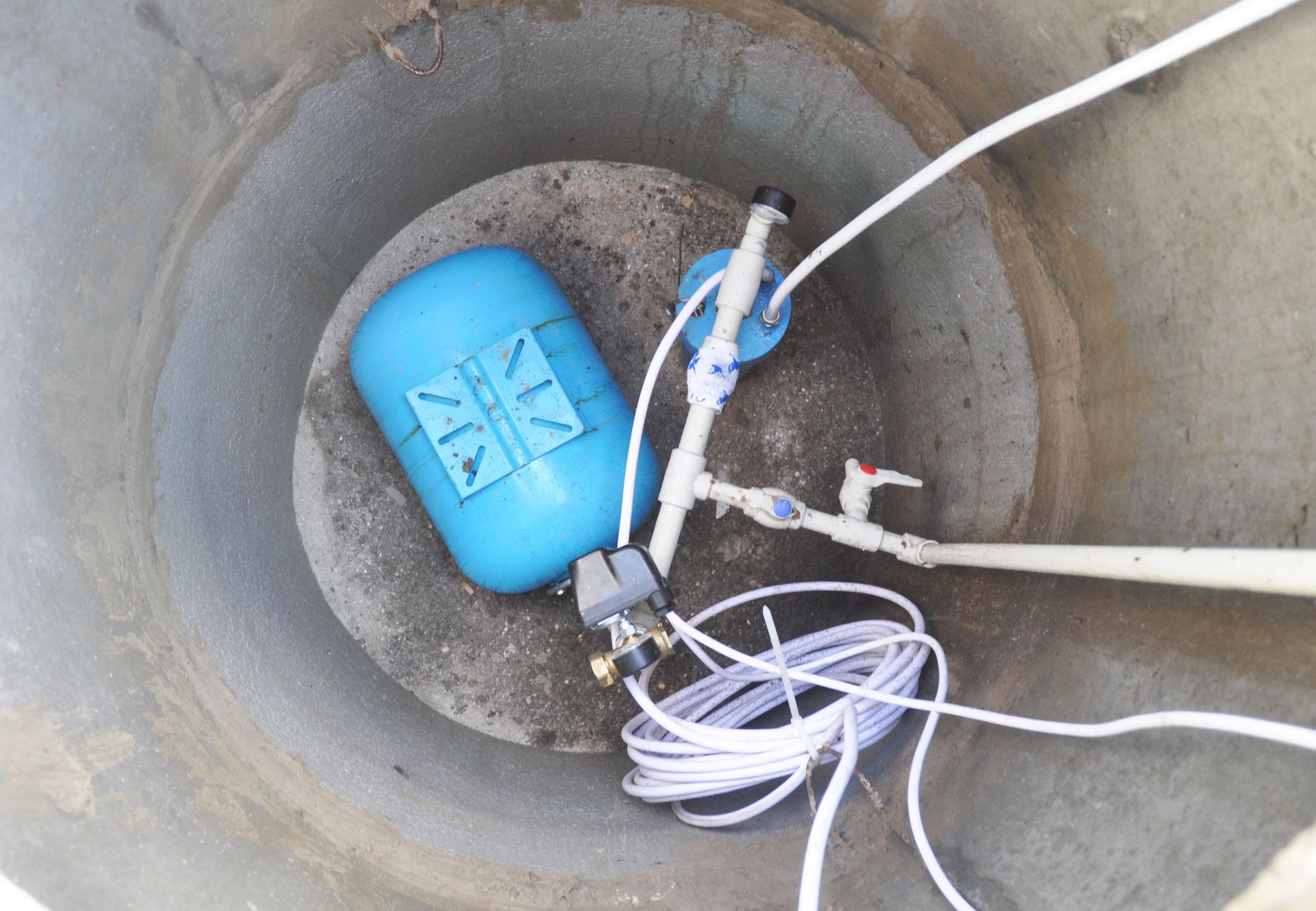
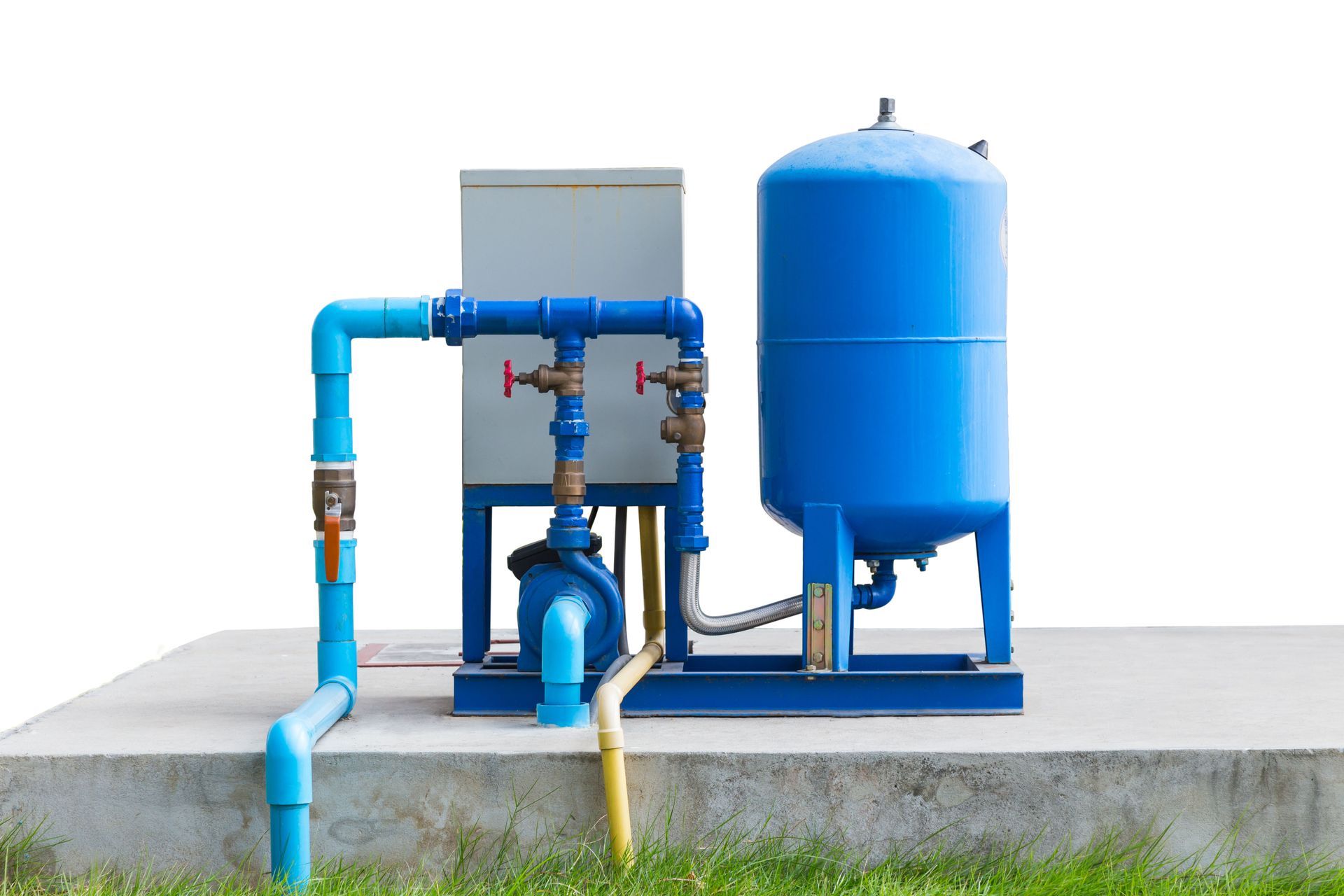
The pressure tank maintains consistent water delivery by storing pressurized water and reducing unnecessary pump operation. A damaged bladder, incorrect air charge, or deteriorating tank can cause pressure fluctuations and excessive cycling.
Professional inspections determine whether the tank requires adjustments, repairs, or replacement. Maintaining proper tank performance also reduces stress on connected equipment.
Increased Household Water Demand
Growing households sometimes place greater demands on existing water systems. Additional bathrooms, appliances, or irrigation equipment may exceed the capacity of an older installation.
When a well pump struggles to satisfy increased demand, homeowners may experience reduced pressure during simultaneous water usage. Our team can assess system capacity and recommend appropriate improvements.
Unusual Pump Noises
Banging or Clanking Sounds
Pumping equipment generally operates without excessive mechanical noise. Banging, clanking, or knocking may indicate loose components, pressure fluctuations, or mechanical deterioration.
These sounds deserve professional attention because continued operation can worsen damage. An inspection allows technicians to identify the source and recommend repairs.
Persistent Vibrations or Rattling
Excessive vibration can indicate mechanical imbalance, worn components, or mounting problems. Over time, these conditions may contribute to equipment deterioration.
According to Gitnux, vibration-based monitoring is reported as the most commonly used technique for detecting abnormal pump conditions, supporting the modernization of maintenance practices.
Although this finding concerns pump condition monitoring broadly, it demonstrates the importance of identifying mechanical irregularities early. Professional diagnostics can determine whether unusual vibrations require corrective action. Addressing these warning signs early can help extend the lifespan of your well pump and prevent unexpected breakdowns.
Clicking or Squealing Sounds
Repeated clicking may indicate pressure switch problems or frequent equipment cycling. Screeching and squealing can suggest mechanical wear, although the exact cause depends on the system's design.
Rather than attempting electrical adjustments, homeowners should arrange an inspection. Our technicians can evaluate operating conditions and recommend appropriate repairs.
Spurting Water From Faucets
Air Entering the Water System
Water that sputters or spurts from faucets may indicate air entering the plumbing system. This can occur because of leaks, low water levels, or changes in pressure.
Occasional sputtering following plumbing work may be temporary. However, recurring air discharge deserves professional investigation, particularly when accompanied by reduced pressure.
Pressure Tank Malfunctions
A malfunctioning pressure tank can contribute to inconsistent water delivery and noticeable pressure surges. Damaged internal components or incorrect pressure conditions may interfere with normal operation.
Our team can inspect the tank and related equipment to determine whether adjustments or replacement components are necessary.
Changes in Groundwater Levels
Seasonal drought, increased groundwater demand, and environmental conditions can influence available well water levels. When the water level drops significantly, pumping equipment may struggle to maintain consistent delivery.
A professional assessment can determine whether performance problems relate to groundwater availability, equipment positioning, or mechanical concerns.
Sediment and Plumbing Restrictions
Mineral deposits and accumulated sediment can restrict water movement through plumbing components. These obstructions may contribute to inconsistent flow, pressure changes, and occasional sputtering.
Professional maintenance can identify restrictions and determine whether filtration improvements, cleaning, or component replacement would improve performance.
Constantly Running Pump
Loss of Prime
Some pumping systems require a maintained prime to move water effectively. When these systems lose prime, they may continue operating without delivering the expected water volume.
Air leaks, worn seals, or defective valves can contribute to this condition. Professional troubleshooting helps locate the source and prevent equipment damage.
Pressure Switch Problems
A pressure switch controls when pumping equipment starts and stops based on system pressure. If the switch malfunctions, the motor may continue running unnecessarily or fail to activate.
Electrical connections, switch settings, and pressure conditions require professional evaluation. Correcting these problems helps restore normal operating cycles.
Hidden Plumbing Leaks
Leaks within underground supply lines or household plumbing can cause equipment to operate continuously as it attempts to maintain pressure.
These problems may remain unnoticed because escaping water is not always visible. Our technicians can assess operating patterns and pressure conditions to identify potential leaks.
Aging Equipment and Increased Energy Use
As pumping equipment ages, internal components may become less efficient. A well pump experiencing significant wear may run longer, struggle to maintain pressure, or consume additional electricity.
Unexplained increases in energy bills can indicate inefficient operation. Professional testing helps determine whether maintenance, replacement parts, or an upgrade offers the best solution.
Dirty or Discolored Water
Surface Water Contamination
Cloudy or discolored water may indicate sediment intrusion, surface water infiltration, or other water quality concerns. Heavy rainfall and flooding can increase contamination risks in improperly protected wells.
Because discoloration may indicate health concerns, affected water should be evaluated before continued consumption. Professional inspections and laboratory testing can identify contamination risks.
Sediment Accumulation
Sand, silt, and other particles can enter groundwater systems under certain conditions. Excessive sediment may damage mechanical components, obstruct plumbing, and reduce efficiency.
Our team can assess whether sediment problems originate from well conditions, equipment placement, or deteriorating components.
Corrosion and Water Quality Changes
Rust-colored water may result from corroded plumbing, iron in groundwater, or deteriorating components. Changes in taste, odor, or appearance can also indicate water quality problems unrelated to mechanical failure.
Professional testing helps distinguish between naturally occurring minerals, plumbing deterioration, and potentially harmful contamination.
Pressure Tank Concerns
Sediment accumulation and deteriorating internal tank components may contribute to water quality or performance concerns. These conditions can occur alongside pressure irregularities and excessive cycling.
Routine professional evaluations help determine whether cleaning, servicing, or replacement is appropriate.
Frequent Electrical Problems
Repeated Circuit Breaker Trips
A circuit breaker that repeatedly trips may indicate an overloaded motor, damaged wiring, or another electrical malfunction. Continuing to reset the breaker without investigating the cause creates safety hazards.
Professional electrical diagnostics help identify these problems safely and prevent additional equipment damage.
Burning Odors or Overheating
A burning smell near pumping equipment, control boxes, or electrical connections requires immediate attention. Overheating components and damaged wiring can create serious safety risks.
Homeowners should avoid operating compromised equipment and contact qualified professionals. If smoke or fire is present, emergency assistance may be necessary.
Wiring and Motor Failures
Loose electrical connections, deteriorating insulation, and motor problems can interfere with normal operation. Symptoms may include intermittent water delivery, unexpected shutdowns, or equipment that fails to start.
Professional testing can determine whether the issue involves electrical supply, motor performance, or control components. Accurate diagnosis supports safe repairs and helps restore reliable well pump operation.
Schedule Professional Well System Service
Recognizing warning signs early can help homeowners avoid extensive repairs and unexpected water interruptions. Changes in pressure, unusual noises, discolored water, and electrical problems deserve careful evaluation. Regular professional maintenance also helps identify developing concerns before they affect daily activities.
At Connecticut Valley Artesian Well Co Inc, we understand the importance of dependable groundwater systems. Whether your well pump requires troubleshooting, maintenance, or replacement, our team is committed to helping you maintain a reliable water supply. Contact us to schedule a professional assessment and learn how we can protect your home's water system.




Share On: